

Commentary
The European Commission is preparing the EU for its next enlargement. But member states need to make it a project that European citizens can understand, shape, and support.
Iliriana Gjoni

The Alliance is being pulled toward a NATO 3.0 model by two structural drivers: the changing character of warfare, made visible by the war in Ukraine, and the redistribution of transatlantic burden-sharing as the United States gives greater priority to homeland security and the Indo-Pacific.
Senior Fellow, Europe Program
Alper Coşkun is a senior fellow in the Europe Program and leads the Türkiye and the World Project at the Carnegie Endowment for International Peace in Washington, DC.
Fatih Ceylan
Tacan İldem
Nihat Kökmen
Yavuz Türkgenci

Senior Fellow, Carnegie Europe
Sinan Ülgen is a senior fellow at Carnegie Europe in Brussels, where his research focuses on Turkish foreign policy, transatlantic relations, international trade, economic security, and digital policy.
Çiğdem Üstün
H.E. Ahmet Üzümcü
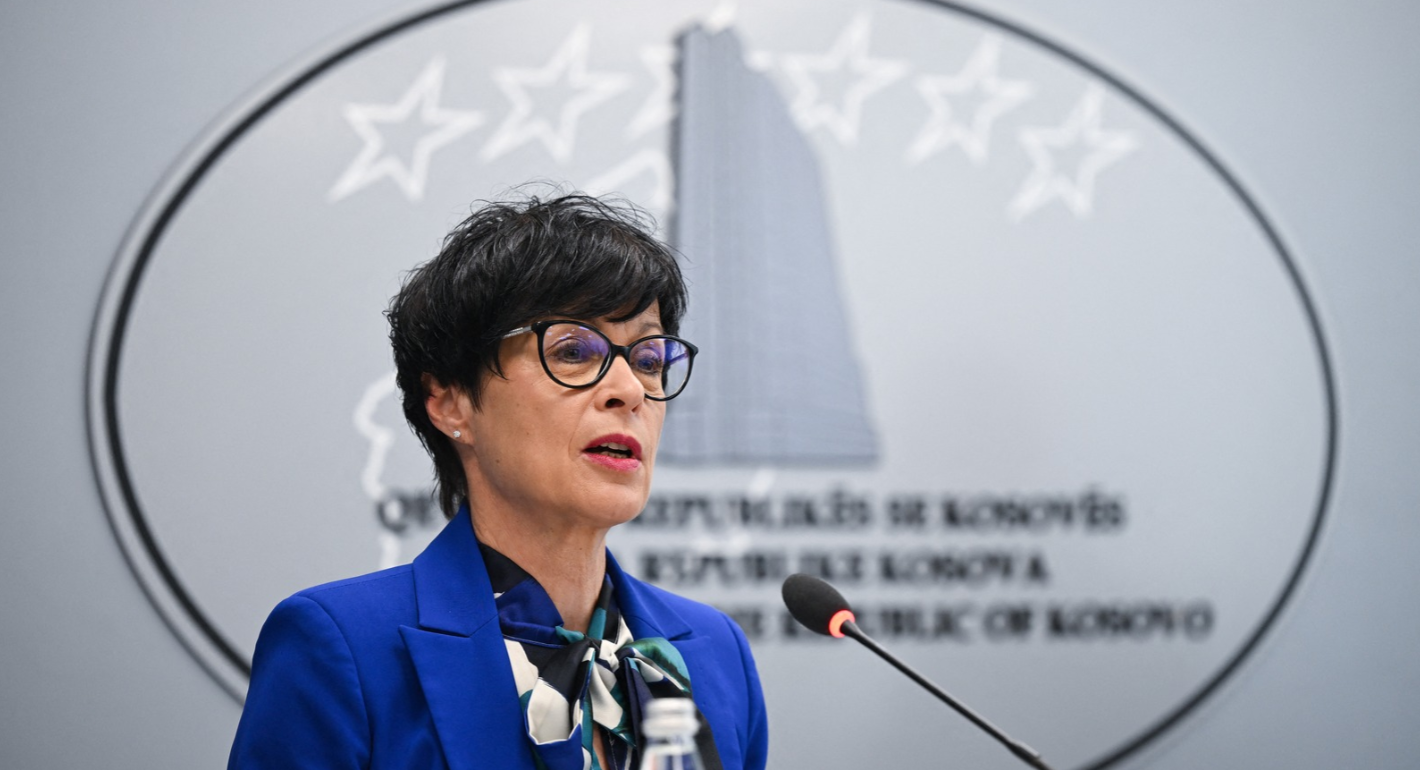
The European Commission is preparing the EU for its next enlargement. But member states need to make it a project that European citizens can understand, shape, and support.

Iliriana Gjoni
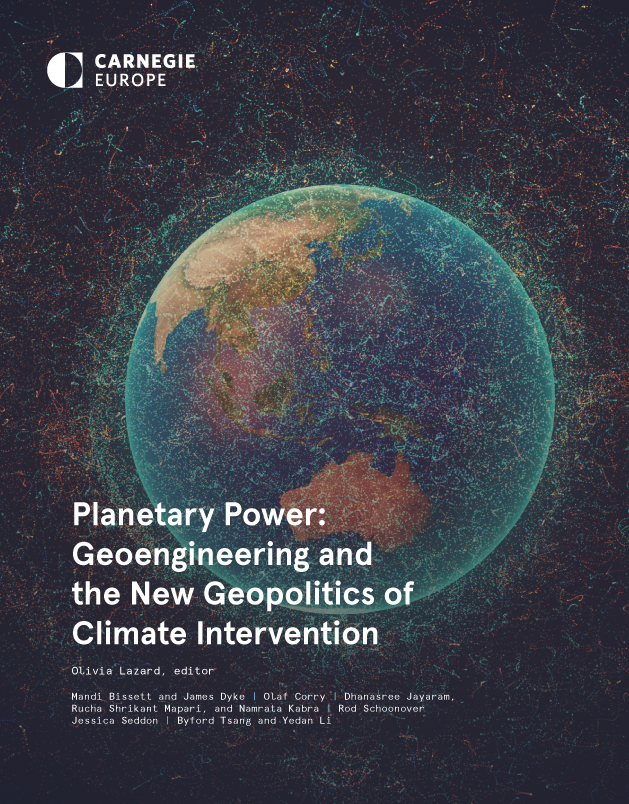
Geoengineering is becoming a geopolitical question as much as a climate one. The way states and the private sector pursue these technologies, assess risks, and drive research increasingly appears focused on gaining a strategic edge. In a field where governance in lagging behind, Europe should keep track of the geopolitical implications if it is to develop effective regulatory frameworks.

Olivia Lazard, ed.
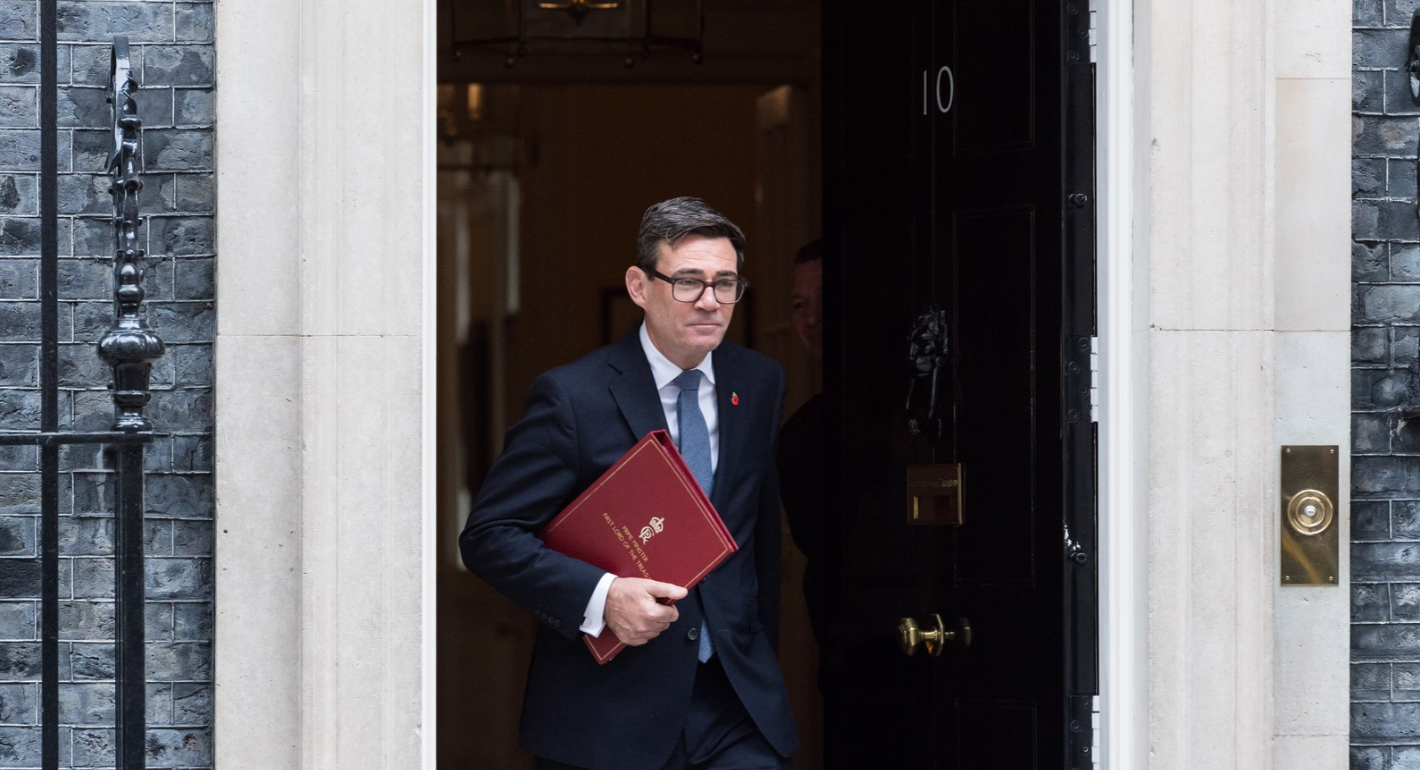
Resetting relations with the EU is a central plank of the UK’s current foreign policy. Is Andy Burnham being bold enough or is he falling into the same trap as his predecessors, misreading the power dynamic?

Rym Momtaz, ed.
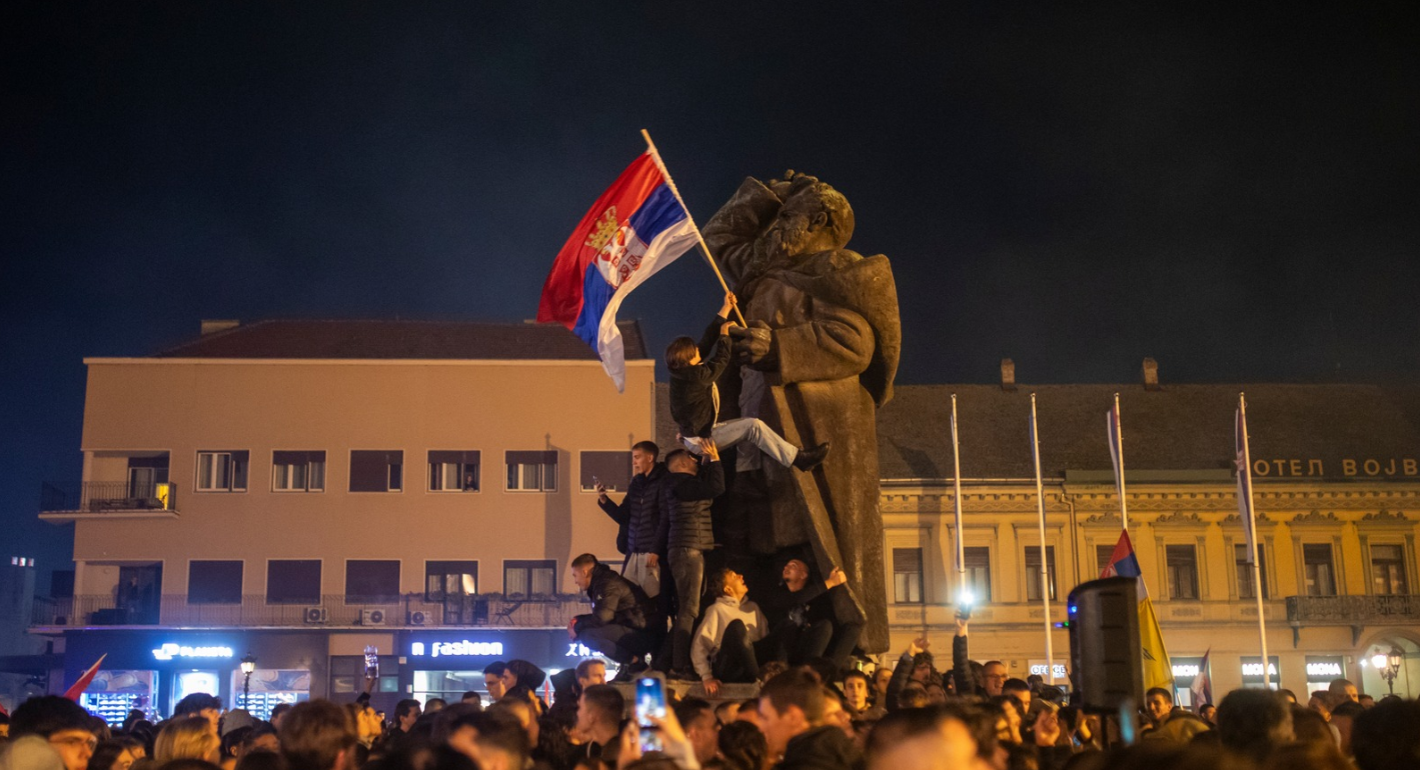
Excitement is in the air following Aleksandar Vučić’s defeat in Serbia. To build a truly democratic state, the movement that unseated the former president must learn from the mistakes of the past.

Ivan Vejvoda
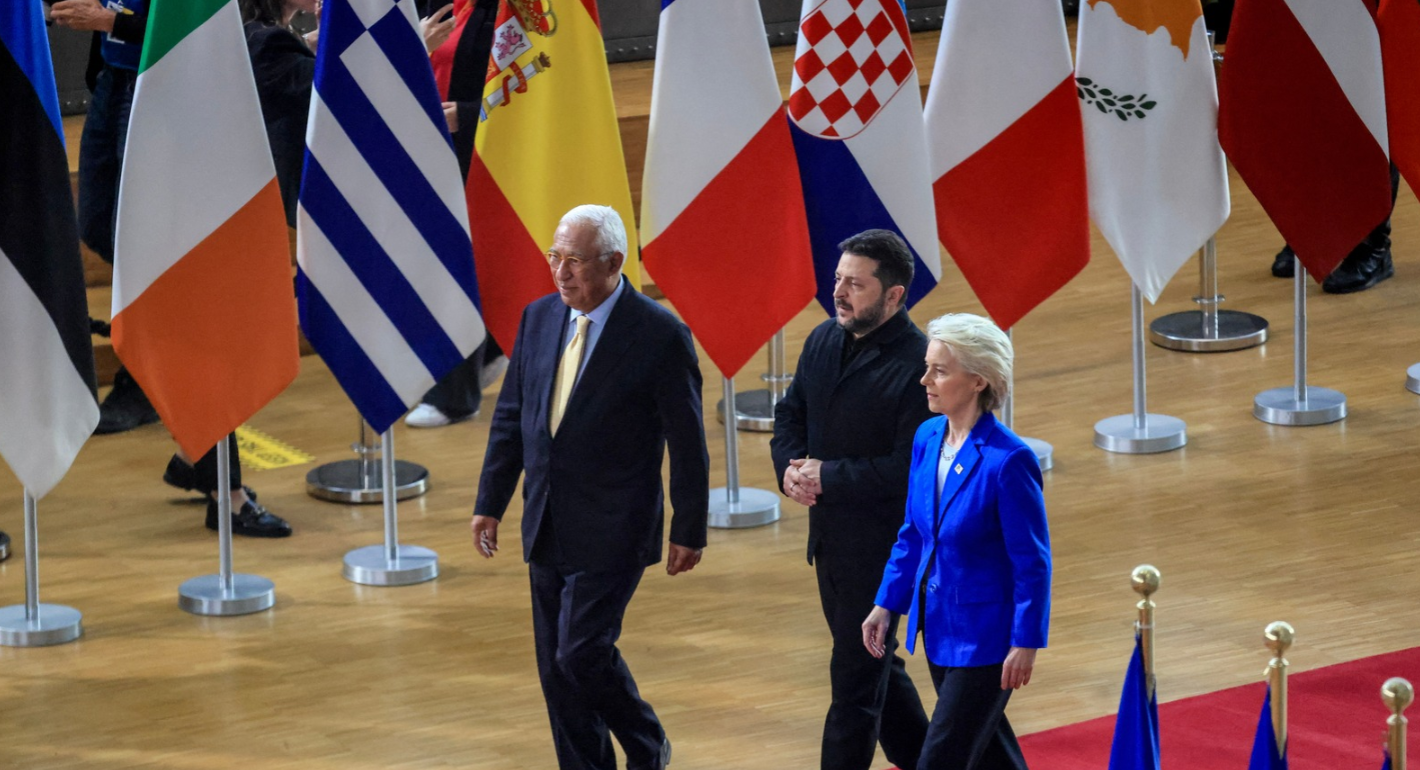
The EU can impose sanctions but struggles to enforce them without the United States. With Washington increasingly disinterested in backing European interests, the bloc must now fend for itself.

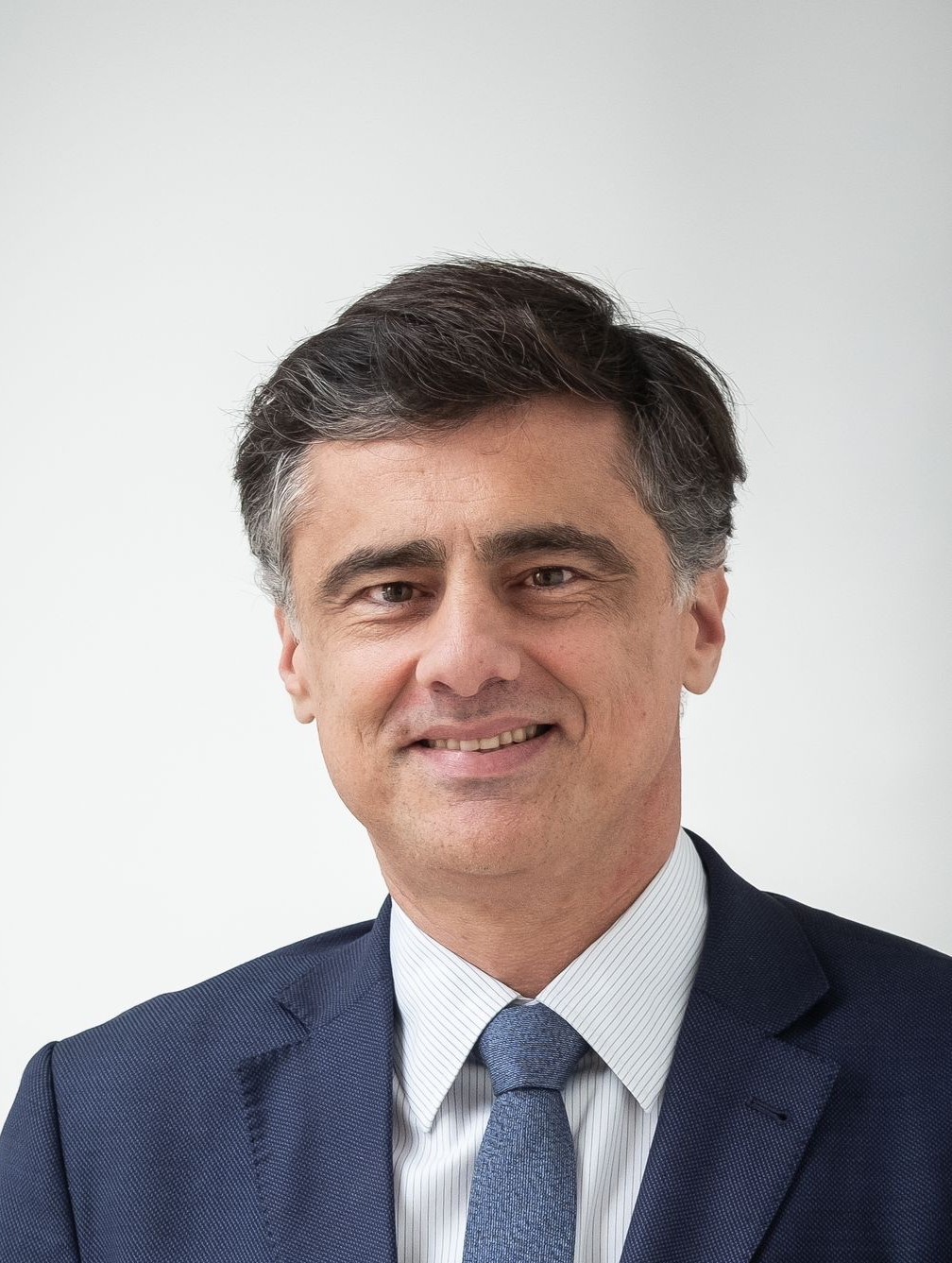
Nicu Popescu, Tiago Antunes