

Commentary
- +1
Miloš Pavković, Fitim Gashi, Iliriana Gjoni, …
{
  "authors": [
    "Iliriana Gjoni"
  ],
  "type": "commentary",
  "blog": "Strategic Europe",
  "centerAffiliationAll": "",
  "centers": [
    "Carnegie Endowment for International Peace",
    "Carnegie Europe"
  ],
  "englishNewsletterAll": "",
  "nonEnglishNewsletterAll": "",
  "primaryCenter": "Carnegie Europe",
  "programAffiliation": "",
  "regions": [
    "Europe",
    "Western Balkans"
  ],
  "topics": [
    "EU",
    "EU Enlargement",
    "Foreign Policy",
    "Domestic Politics"
  ]
}
Source: Getty
The European Commission is preparing the EU for its next enlargement. But member states need to make it a project that European citizens can understand, shape, and support.
EU enlargement is entering a decisive phase.
Candidate countries are making strides, with grassroots movements bolstering their democracy and rule-of-law credentials. Montenegro is moving ever closer toward fulfilling the membership criteria, a student-backed list defeated Serbia’s long-ruling party, and youth-led protests in Albania are turning environmental grievances into a broader challenge to the political establishment. But there are doubts about the readiness of EU member states to forge ahead.
As enlargement becomes more tangible, its approval will become increasingly vulnerable to political obstacles inside EU countries—the decision cannot remain confined to high-level negotiations in Brussels. Governments across the union must be willing to explain the trade-offs, listen to their societies, and act on what they hear. The European Commission is making enlargement institutionally possible. Member states must make it politically sustainable.
The commission’s pre-enlargement policy reviews try to address an important issue: The bloc has struggled to uphold its democracy and rule-of-law standards in some countries, like Hungary and Poland, following their accession. A larger union also raises questions about decisionmaking, budgetary pressures, agricultural competition, and common policies. Commission-proposed solutions draw on institutional reforms, gradual integration, and strong post-accession safeguards.
Yet, preparing the union’s institutions is not the same as preparing its societies.
The process lacks a component which would systematically address the implications for member states. Assessing the process’s domestic consequences, debating them publicly, and explaining how citizens’ concerns inform their leaders’ positions in Brussels could be a start. Enlargement must become an ordinary part of national democratic policymaking and not remain an elite diplomatic process.
The 2025 Eurobarometer reinforces this argument. It found that 56 percent of EU citizens support further enlargement, but that attitudes vary considerably: Support reaches 79 percent in Sweden compared with 45 percent in Austria and 43 percent in France. Meanwhile, 67 percent of Europeans feel insufficiently informed about enlargement. National publics are diverse and a blanket communication strategy will not address their different concerns. There is no one singular EU constituency to persuade.
Enlargement also affects regions and sectors differently. Farmers worry about competition, workers about wages, citizens about migration, public spending, or democratic standards. Solutions have to be grounded in national and local realities, as should assessments and distributional consequences.
To that end, the commission has proposed dialogues with citizens and stakeholders in current and future member states. But how will these exchanges translate into consequential national political decisions? After decades of alignment with EU standards, it would be ironic for candidate countries not to succeed in their accession due to insufficient political foresight inside the union itself. Montenegro’s accession could be a step in showing that a country that delivers reforms can become a member. Failing to prepare societies in member states for that reality could undermine this achievement.
Enlargement could also be a way to give the EU’s youth a sense of political agency. Amid conflicts, crises, and an uncertain transatlantic relationship, the narrative in Europe is mainly focused on what must be protected or defended. These concerns are real, but the continent needs a sense of what it wants to achieve: Enlargement offers an opportunity to build something together.
Between democratic backsliding and the rise of the far right, the EU’s democratic regeneration could come precisely from its peripheries. Young people in some candidate countries are demonstrating a remarkable capacity to mobilize against entrenched political power. In Serbia, an entirely student-led movement has managed win elections against an incumbent with authoritarian tendencies, ending fourteen years of political dominance by Aleksandar Vučić and his Serbian Progressive Party. In Albania, young people have risen to defend their natural resources and challenge corruption, political decisions, and the distribution of economic opportunities.
These movements do not represent permanent change, but they suggest that enlargement could offer an opportunity for democratic regeneration in both current and aspiring member states. Making the most of that opportunity requires political preparation within the union itself. Therefore, the commission’s policy reviews should be the starting point for a broader domestic preparedness agenda.
First, give citizens a greater say. EU countries could organize citizens’ assemblies featuring people from current and aspiring member states, including enlargement skeptics. Research on citizens’ assemblies in Lisbon has shown that participation can improve issue knowledge and perceptions of government responsiveness. As the objective is informed participation, these assemblies should not aim at manufacturing consent. Participants would formulate their recommendations on concrete choices and governments at different levels would respond publicly.
Second, enlargement must move beyond the national level to regional and local policymaking. Governments should assess how enlargement could affect different sectors and regions. Findings should be debated in national parliaments, with EU affairs committees working in parallel with agricultural, budgetary, labor, and regional committees. The debate should then transfer to municipalities and regional authorities. This process could identify local challenges and opportunities in employment, education, infrastructure, and economic development. These would feed back into higher-level policymaking, nationally and at EU level. Partnerships with municipal and regional counterparts in candidate countries could turn some of these ideas into joint projects.
Third, invest in lasting connections between societies. Previous enlargement rounds accounted for the fact that that human exchanges needed to be at the heart of integration. Programs like Erasmus, its successor Erasmus+, Creative Europe, and others were born out of this instinct. Building on them, member states should support partnerships between schools, universities, cultural institutions, and civil society organizations in member states and candidate countries. Their focus should go beyond capitals to remote and rural areas. The goal would be to establish networks and encourage mutual understanding.
These measures would help governments anticipate concerns, make durable commitments, and involve citizens before political choices become faits accomplis. They would not replace accession conditions or safeguards that protect the union’s functioning. In countries like France, that require parliamentary backing or a referendum for ratification, preparedness would be especially consequential.
Enlargement has always been more than the technical process of transplanting EU rules and values. It is primarily a decision about what kind of Europe the members want to build together.
Subscribe to Strategic Europe, delivered every Tuesday and Thursday!

Research Analyst, Carnegie Europe
Iliriana Gjoni is a research analyst at Carnegie Europe, where she focuses on EU enlargement and Western Balkan politics. She is also a policy leader fellow at the European University Institute’s School of Transnational Governance.
Recent Work


Miloš Pavković, Fitim Gashi, Iliriana Gjoni, …
Iliriana Gjoni
Carnegie does not take institutional positions on public policy issues; the views represented herein are those of the author(s) and do not necessarily reflect the views of Carnegie, its staff, or its trustees.
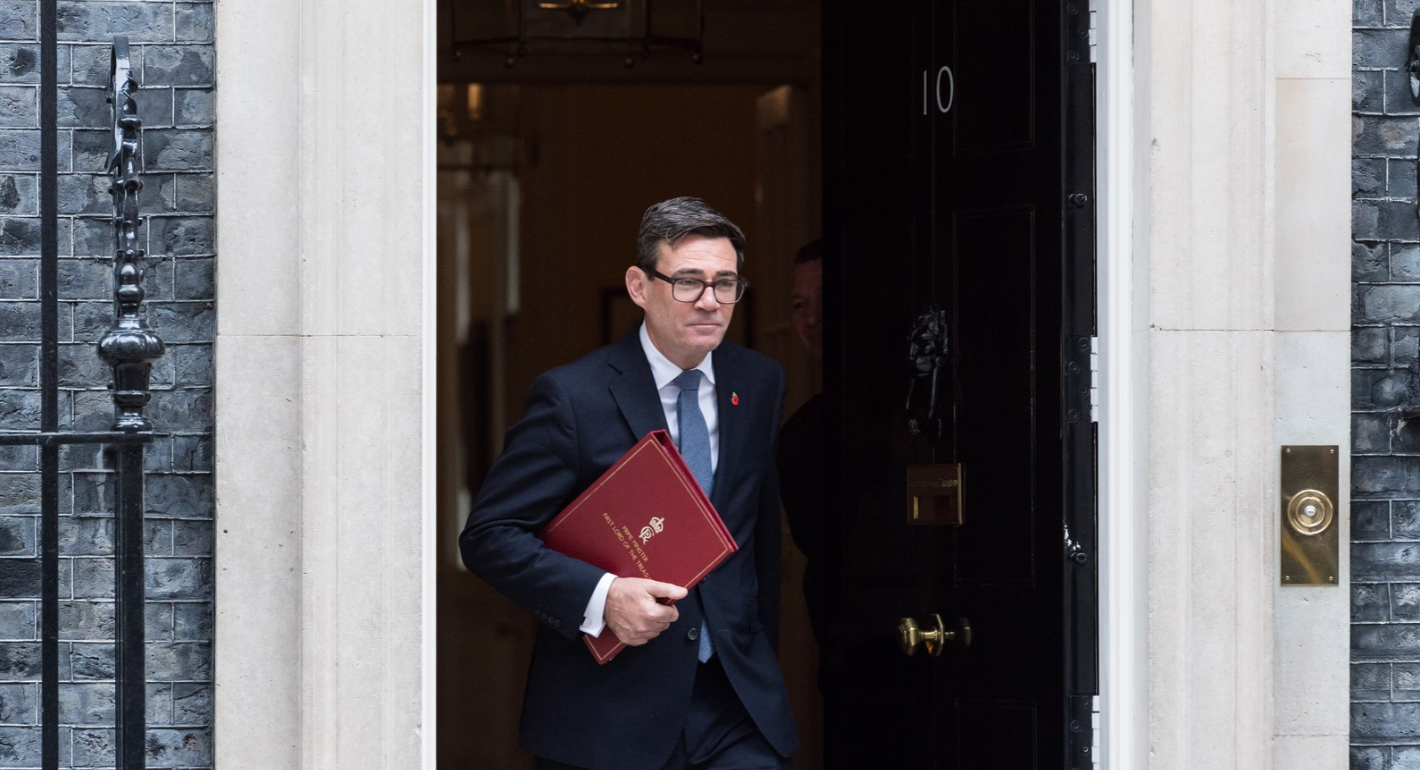
Resetting relations with the EU is a central plank of the UK’s current foreign policy. Is Andy Burnham being bold enough or is he falling into the same trap as his predecessors, misreading the power dynamic?

Rym Momtaz, ed.
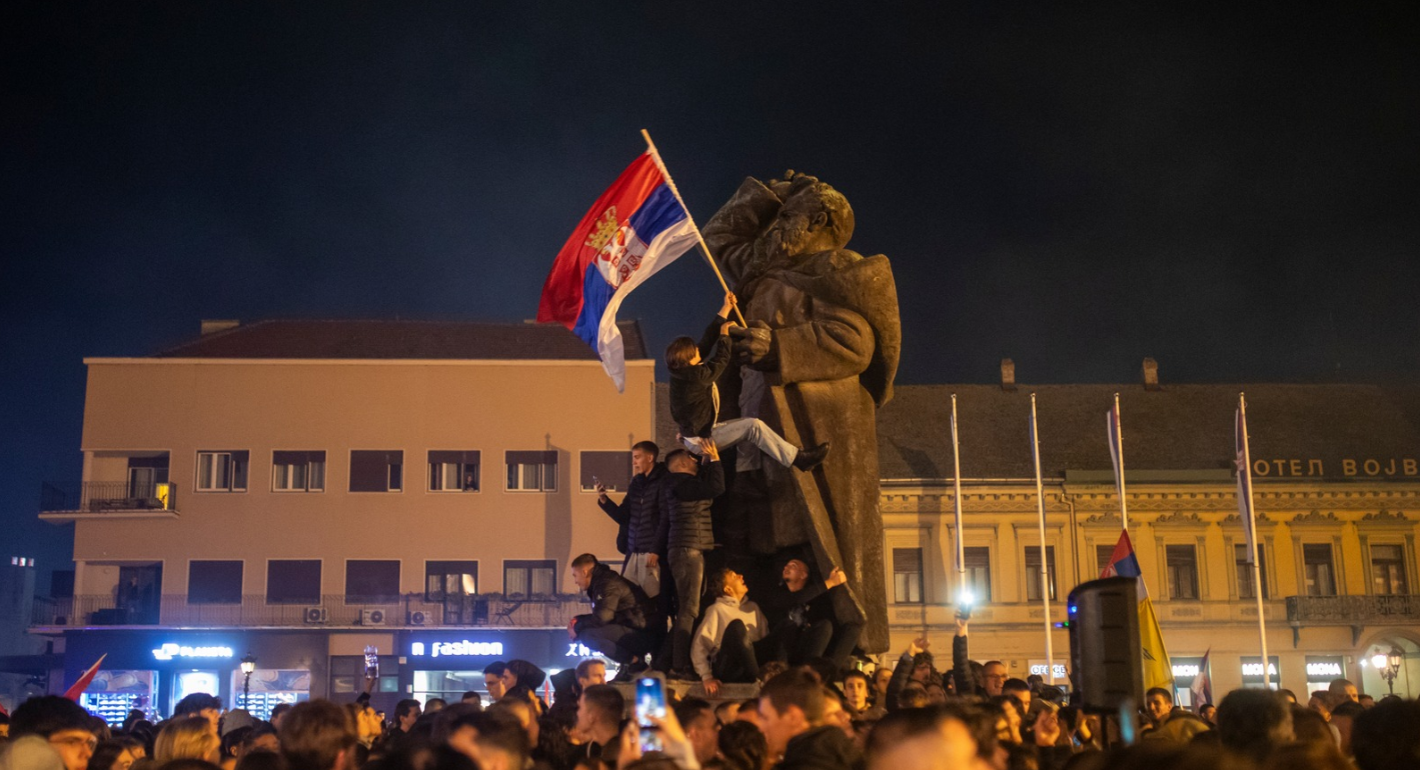
Excitement is in the air following Aleksandar Vučić’s defeat in Serbia. To build a truly democratic state, the movement that unseated the former president must learn from the mistakes of the past.

Ivan Vejvoda
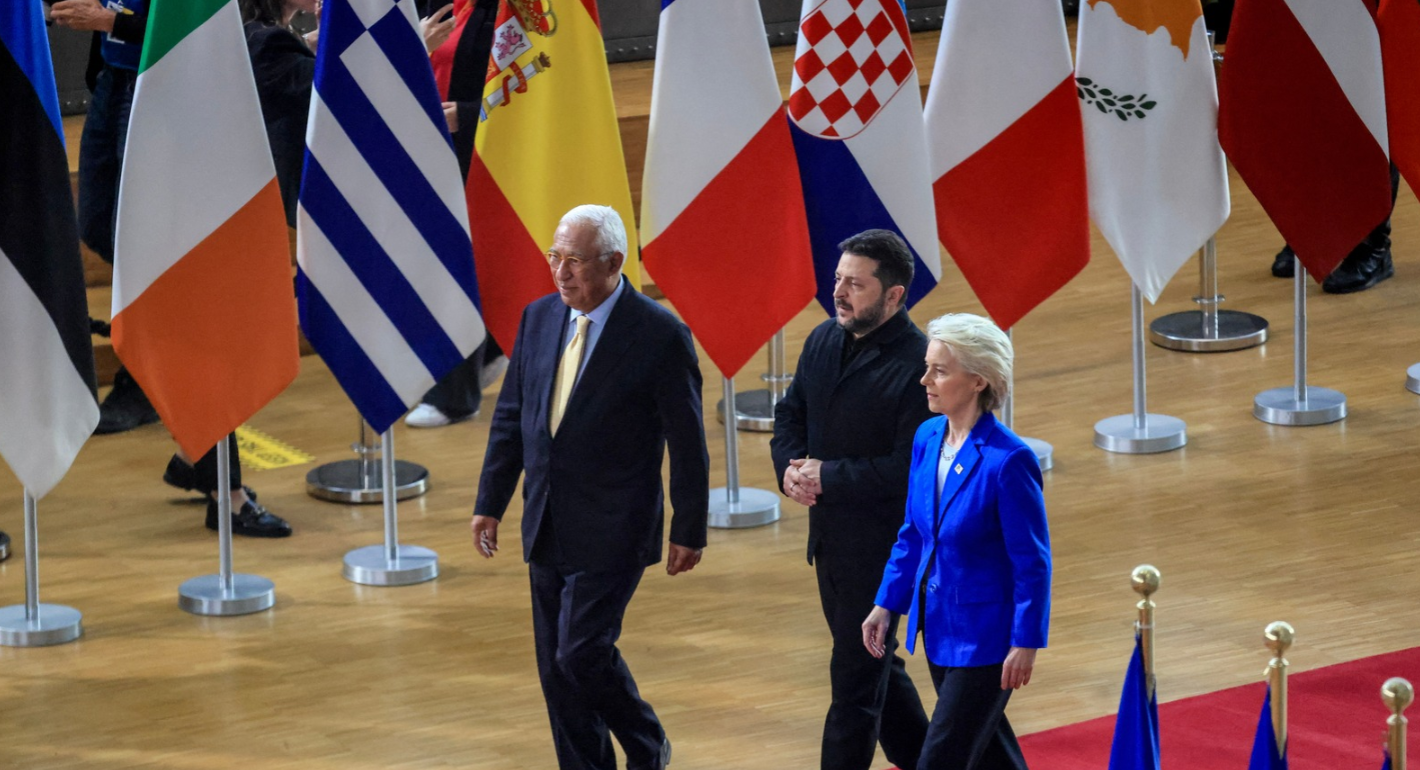
The EU can impose sanctions but struggles to enforce them without the United States. With Washington increasingly disinterested in backing European interests, the bloc must now fend for itself.

Nicu Popescu, Tiago Antunes

Russia is testing the waters of NATO’s mutual defense clause. What do strikes in Romanian territorial waters mean for the alliance’s posture toward Moscow?

Dimitar Bechev
With its public finances in shambles, the far right polling at 35 percent ahead of the 2027 presidential election, and a growing protest movement, is France’s crisis a threat to the EU’s geopolitical awakening?
Rym Momtaz, ed.