

Commentary
Tatiana Stanovaya
{
  "authors": [
    "Tatiana Stanovaya"
  ],
  "type": "commentary",
  "blog": "Carnegie Politika",
  "centerAffiliationAll": "",
  "centers": [
    "Carnegie Endowment for International Peace",
    "Carnegie Russia Eurasia Center"
  ],
  "collections": [
    "Politika: The Best of 2025"
  ],
  "englishNewsletterAll": "",
  "nonEnglishNewsletterAll": "",
  "primaryCenter": "Carnegie Russia Eurasia Center",
  "programAffiliation": "",
  "programs": [],
  "projects": [],
  "regions": [
    "Russia"
  ],
  "topics": [
    "Domestic Politics",
    "Political Reform"
  ]
}
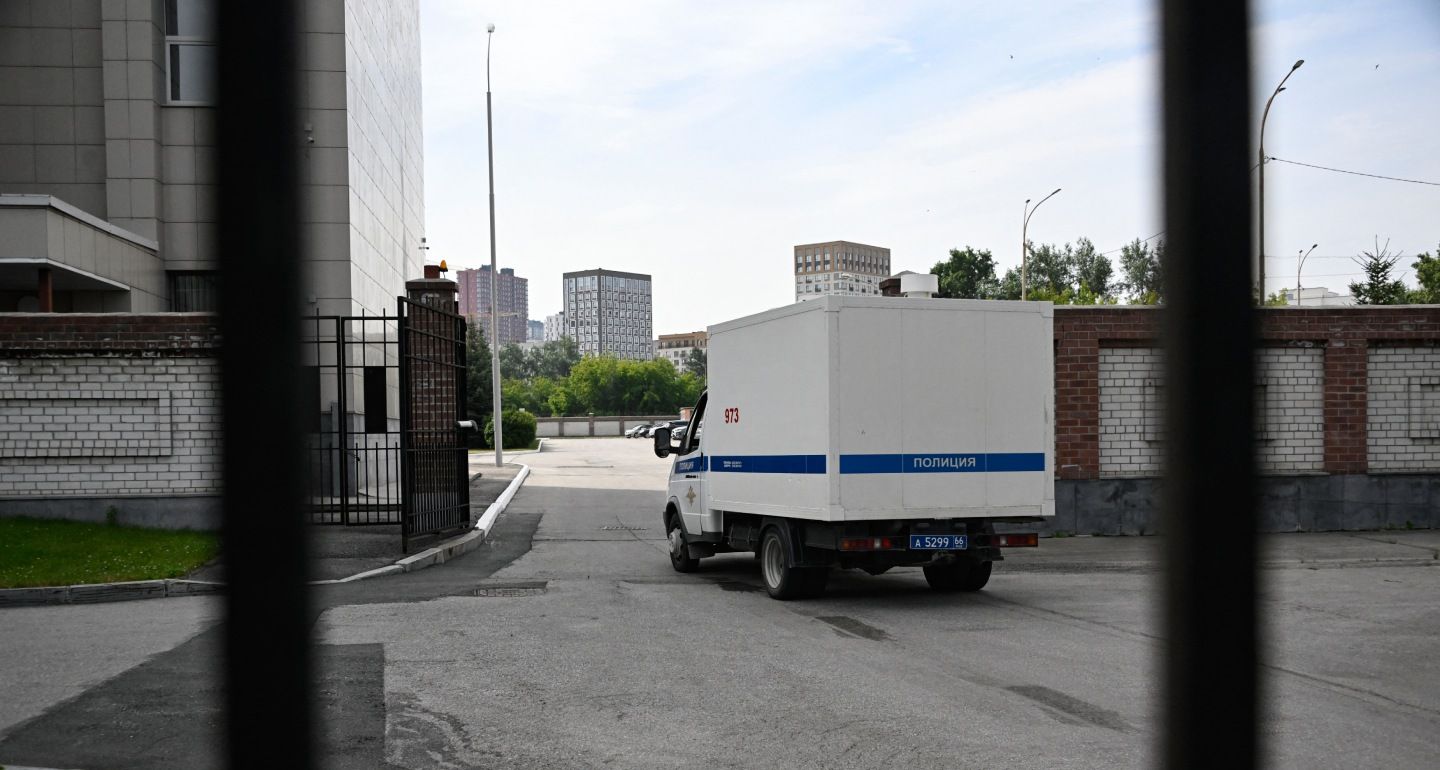
Source: Getty
There are no longer any political guardrails on the country’s powerful security agencies, and the number of arrests of officials will only grow.
Wartime Russia has seen an unprecedented wave of political arrests. It has included the routing of the political clan of the once-powerful former defense minister Sergei Shoigu; the detentions of dozens of regional officials, up to and including deputy governors; the suicide of a federal minister who was facing jail; and arrests of high-ranking judges. This wave has been accompanied by a massive program of asset confiscations, which has sent a chill through those with high-level contacts who once believed they were protected.
In other words, the system is being reforged amid the fires of war. And the arrests and confiscations show no sign of dying down. On the contrary: while Putin is preoccupied with the battlefield, the regime requires resources to continue prosecuting the war, and token displays of justice.
It’s customary in some quarters to attribute the rise in the number of such arrests to the personal ambition of individual security officers. To some extent this is true: after all, it’s the job of a security official to put people behind bars, and their success is judged according to the number of arrests and the volume of assets seized. However, changes to Russia’s system of formal (and informal) constraints on the security apparatus are just as important. Even the most authoritarian states—that lack an independent media, political opposition, and independent judiciary—have semiformal mechanisms to limit repression.
For a long time, the major constraint on the security agencies was the memory of Soviet-era repression among the elite, and a belief that giving the security forces too much power could make the system dangerously imbalanced. Even in the last years of prewar Putinism, close allies of the Russian leader well understood that empowering the security forces was something that could rebound on them.
As a result, for many years, Russia’s security agencies tracked huge numbers of people and compiled fat dossiers, but made arrests very selectively. The arrests that did take place tended to arise from major federal or regional conflicts, or as part of treason cases. But their relative rarity meant most officials felt safe. In a crisis, the existence of so-called “telephone justice” meant that those who found themselves targeted could count on the intervention of their bosses, political patrons, or business partners.
Now, however, the absence of political guardrails has become the norm. And on top of their new vulnerability, Russia’s bureaucrats also have to deal with the fallout from the war. While there has been no letup in corruption (it may even have grown as a result of war-related spending), conflicts remain, and the state is desperate to mobilize its resources in order to survive this period of geopolitical tensions.
All this means traditional forms of political protection are no longer reliable, and being close to an influential figure is no longer a guarantee of being able to avoid arrest. Indeed, it’s now often easier for the grandees of the Russian elite to wash their hands of a toxic association with someone lower down the food chain who once enjoyed their patronage than to stand up to the security agencies.
Unsurprisingly, this has all been accompanied by a mass nationalization of private assets. The process is generally driven by security officers trying to impress their bosses. An enormous number of assets are at risk. In particular, prosecutors are drawn to assets owned by those living abroad, or those critical of the regime or the war in Ukraine. Sometimes they seek out badly run companies. Of course, once prosecutors start looking into a particular asset, they can always find a reason for expropriation.
Even relatively senior regional officials have found themselves targeted via asset confiscations, such as the former deputy governor of the Sverdlovsk region, Oleg Chemezov. Often such seizures are legalized through allegations of corruption—and no one in Moscow will risk incriminating themselves by standing up for a regional bureaucrat entangled in corruption allegations. As a result, the prosecution of regional officials has become an almost everyday occurrence.
Even though it’s considered a major transgression to steal while the fighting is raging, plenty of people are involved in embezzlement. At the same time, even a minor conflict—or indiscreet word—can lead to security officers opening a criminal case. The jailing last year of the leadership of the Defense Ministry, including deputy ministers, showed no one was safe.
It’s also worth highlighting cases in which officials have been arrested because of their ostentatiousness. Everything from showing off a luxurious lifestyle to refusing to “share” or otherwise ignoring wartime realities can elicit an aggressive response from the security services. Alexander Zapesotsky, the ex-rector of the St. Petersburg University of the Humanities and Social Sciences, who was recently fired and then detained, was infamous for his lavish lifestyle and rumored links to dodgy business deals. Former defense minister Timur Ivanov, who is also currently behind bars, was known for his luxurious lifestyle. There is no doubt such ostentatiousness helped the security forces to prepare a convincing dossier that made its way to the president’s desk.
This new way of doing things has its own momentum. A person appointed to a senior post within the security agencies will seek to confiscate at least as many assets and jail as many people as their predecessor, if not more.
Putin’s recent decision to make Prosecutor General Igor Krasnov the chief justice of Russia’s Supreme Court did not signal any change. Even if the Prosecutor General’s Office may not now be as proactive as it was under Krasnov, the power to open a criminal case is one also held by both the Investigative Committee and the Federal Security Service (FSB). And there will be no letup in their efforts.
Russia’s system looks set to continue to mobilize in order to ensure its survival in a period of crisis. After all, the needs of the war in Ukraine justify almost any excess.

Senior Fellow, Carnegie Russia Eurasia Center
Tatiana Stanovaya is a senior fellow at the Carnegie Russia Eurasia Center.
Recent Work
Tatiana Stanovaya
Tatiana Stanovaya
Carnegie does not take institutional positions on public policy issues; the views represented herein are those of the author(s) and do not necessarily reflect the views of Carnegie, its staff, or its trustees.
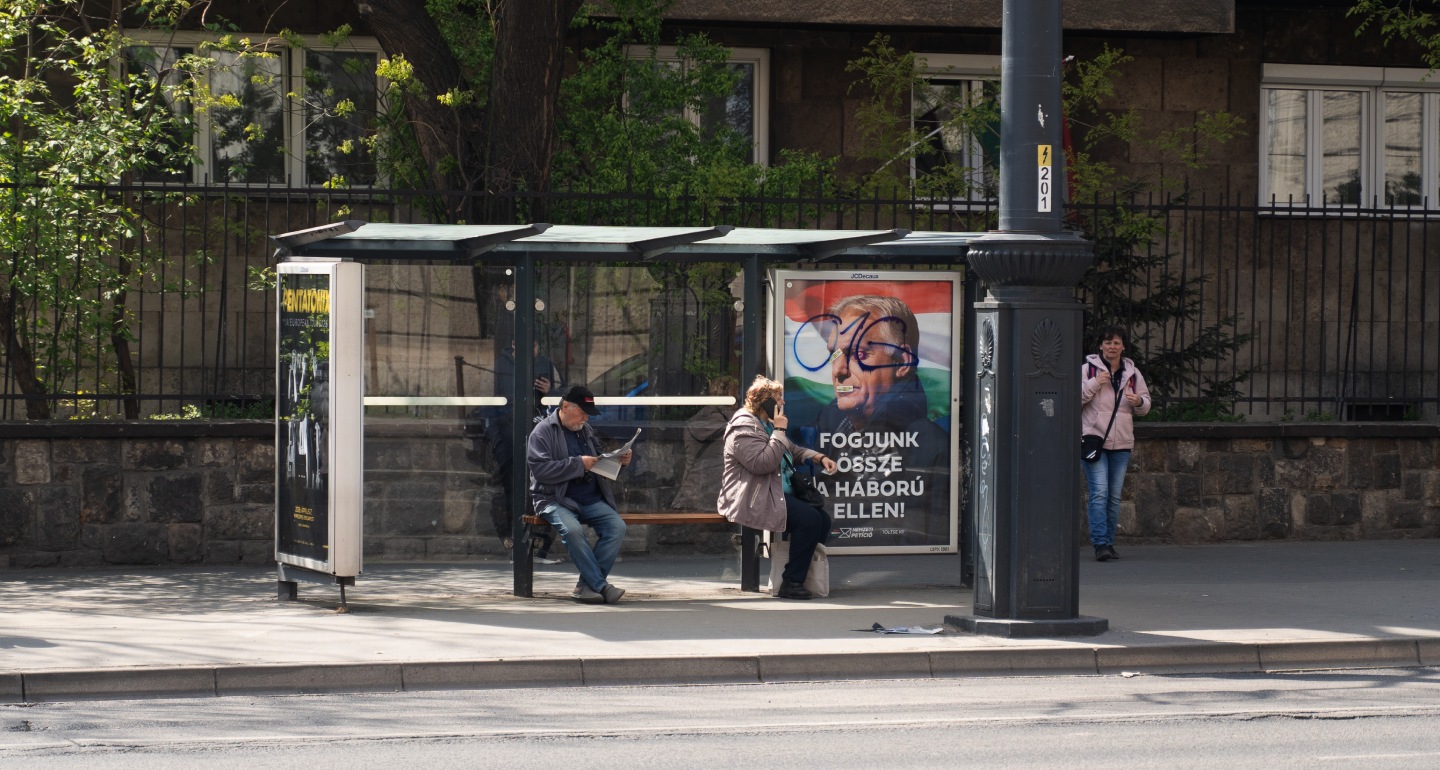
Orbán created an image for himself as virtually the only opponent of aid to Ukraine in the entire EU. But in reality, he was simply willing to use his veto to absorb all the backlash, allowing other opponents to remain in the shadows.
Maksim Samorukov
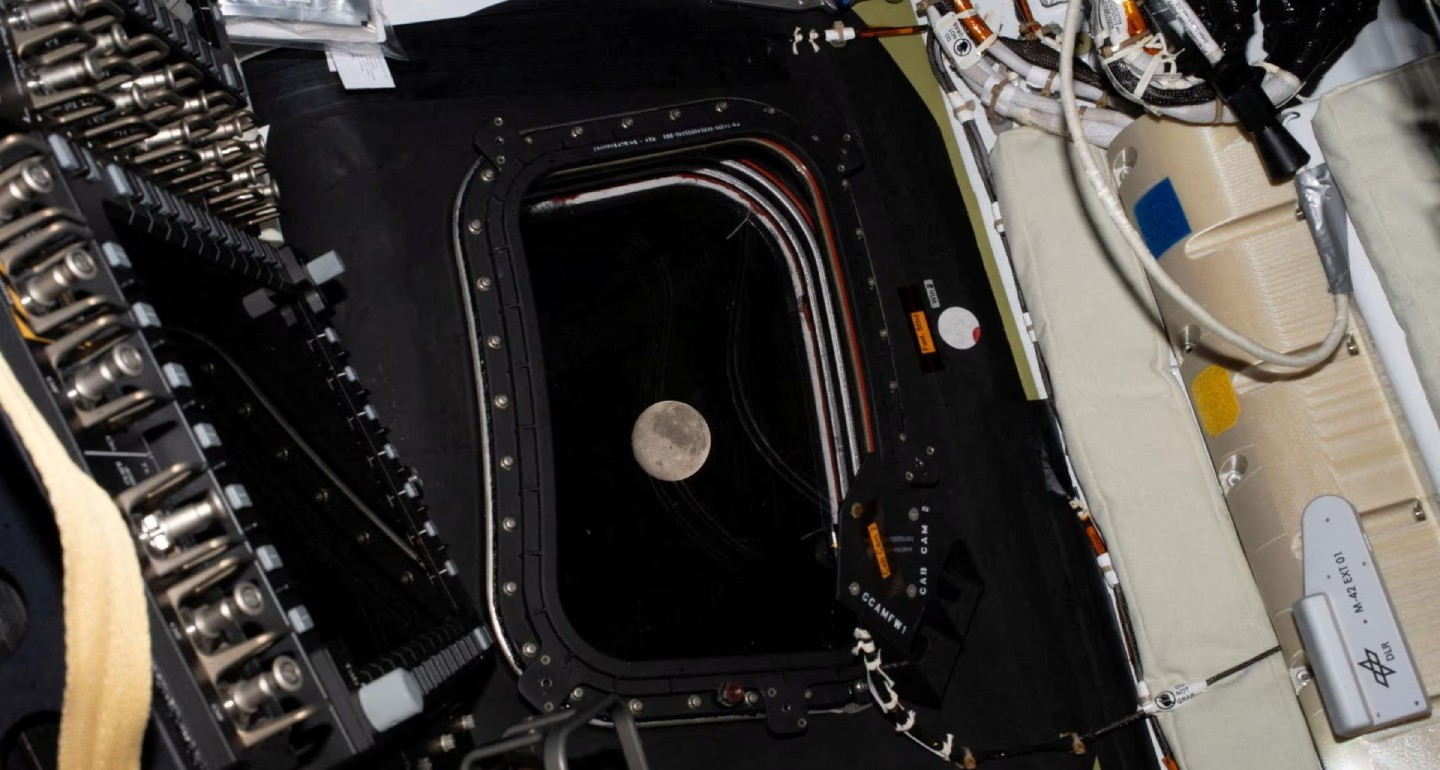
Despite having the resources and expertise, the Russian space industry missed the opportunity to offer the United States or China a mutually rewarding partnership in the lunar race.
Georgy Trishkin
The internet is awash not only with instructions from digital security experts, but also with urban legends and conspiracy theories that divert attention away from the real dangers of Max.
David Frenkel
The prospect of a total block on Russia’s most popular messaging app has sparked disagreement between the regime’s political managers and its security agencies.

Andrey Pertsev
Not only does the fighting jeopardize regional security, it undermines Russian attempts to promote alternatives to the Western-dominated world order.

Ruslan Suleymanov