

Commentary
Nur Arafeh
{
  "authors": [
    "Nur Arafeh"
  ],
  "type": "commentary",
  "blog": "Diwan",
  "centerAffiliationAll": "",
  "centers": [
    "Carnegie Endowment for International Peace",
    "Malcolm H. Kerr Carnegie Middle East Center"
  ],
  "englishNewsletterAll": "",
  "nonEnglishNewsletterAll": "",
  "primaryCenter": "Malcolm H. Kerr Carnegie Middle East Center",
  "programAffiliation": "",
  "programs": [],
  "projects": [],
  "regions": [],
  "topics": []
}
Source: Getty
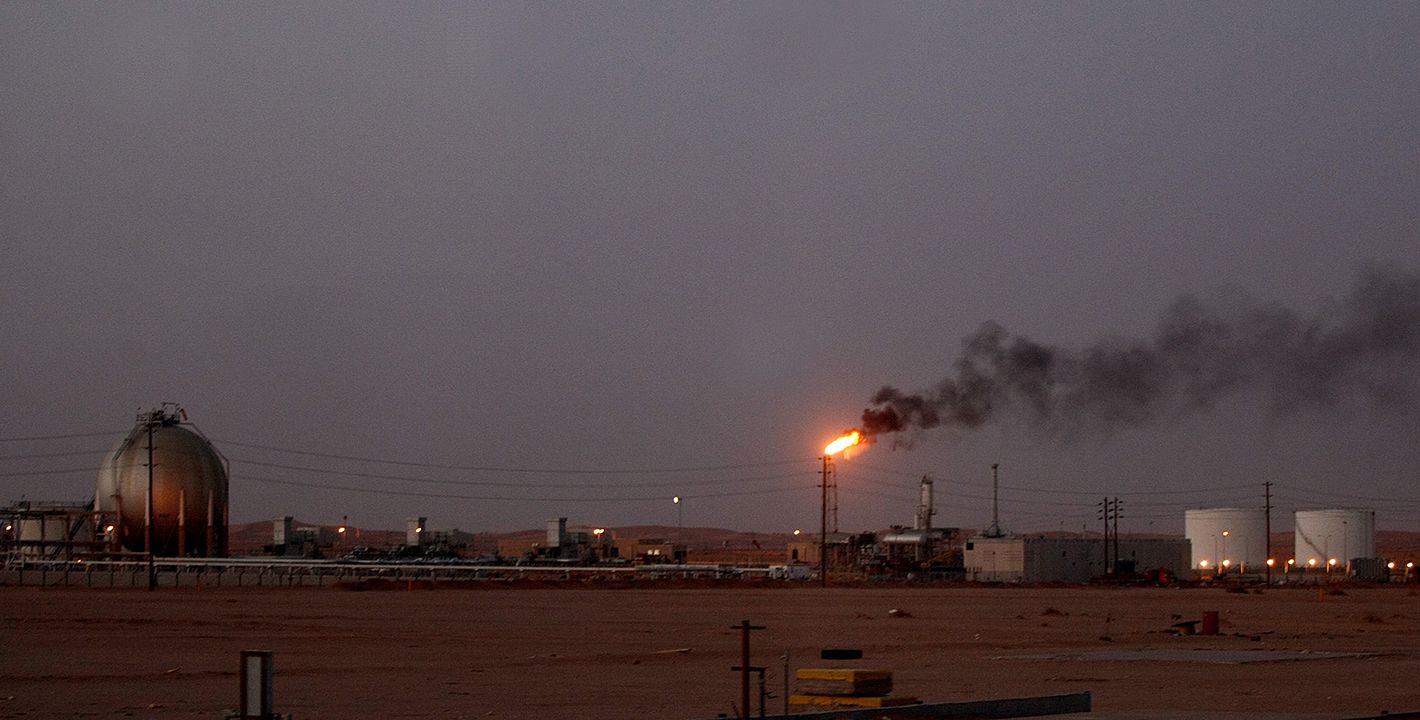
In an interview, Ziad Daoud discusses how global economic dynamics are putting pressure on Gulf petroleum producers.
Ziad Daoud is chief emerging markets economist at Bloomberg Economics, as well as a non-residential senior fellow with the Middle East Initiative at the Harvard Kennedy School’s Belfer Center for Science and International Affairs. Nur Arafeh interviewed him for Diwan in mid-October to discuss the mounting fiscal strains of declining oil prices and the challenges of economic diversification, as well as the potential impacts of President Donald Trump’s economic policies on the Middle East.
Invalid video URL
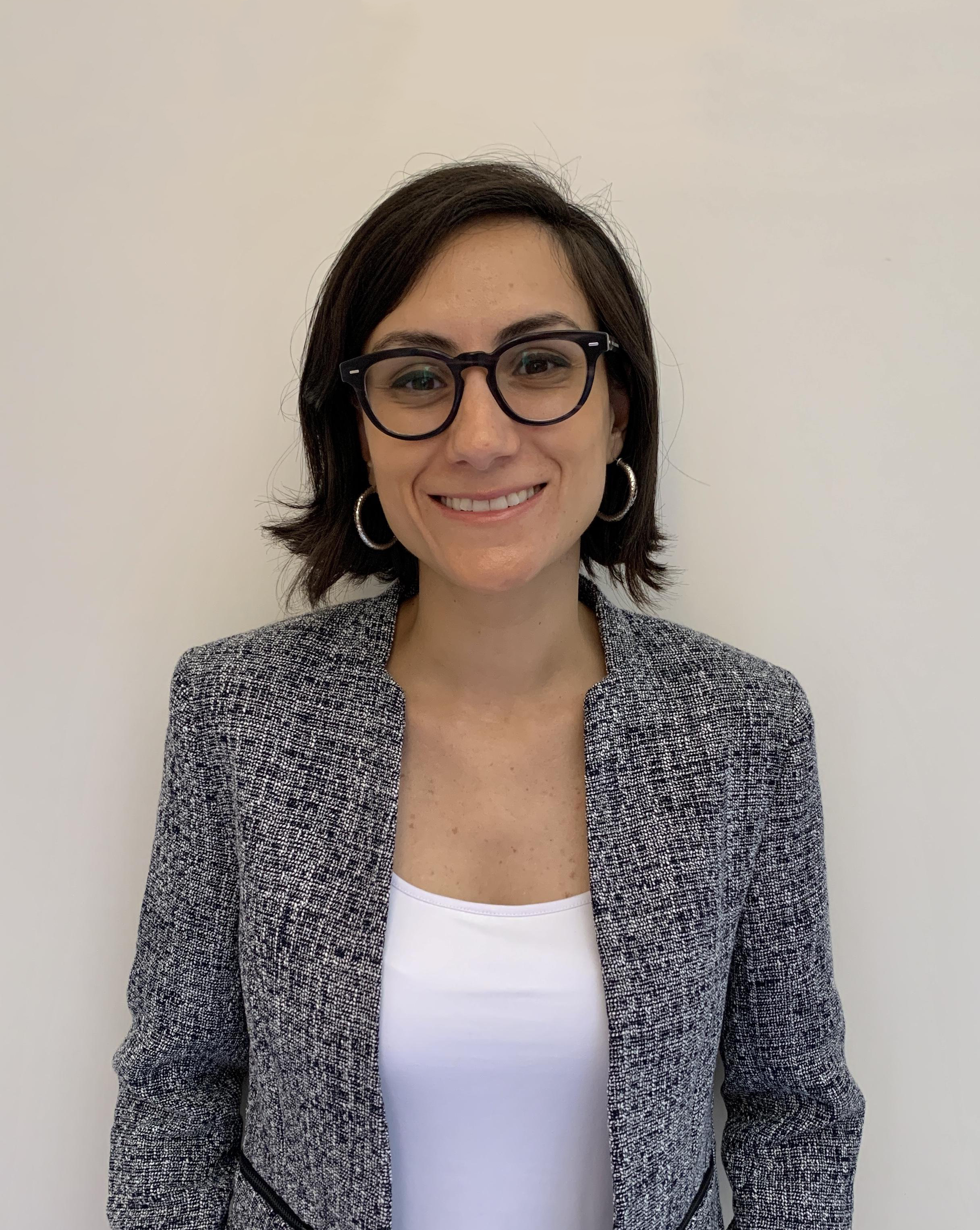
Fellow, Malcolm H. Kerr Carnegie Middle East Center
Nur Arafeh is a fellow at the Malcolm H. Kerr Carnegie Middle East Center, where she is co-leading the program on the political economy of the MENA region. Her research focuses on the political economy of reconstruction, private sector development, business-state relations, food insecurity, and peacebuilding strategies.
Recent Work
Nur Arafeh
Maya Chehade, Marie Bassi, Duaa Abuswar, …
Carnegie does not take institutional positions on public policy issues; the views represented herein are those of the author(s) and do not necessarily reflect the views of Carnegie, its staff, or its trustees.